Wednesday I posted a art piece. Today I am following it with a poem. Both were inspired by a dream. I may end up doing a story of the dream. I don’t know. I am recovering from an er visit Wednesday night… So I am fighting exhaustion…. But I wanted to share this.
Hello there. Today is a green tea sort of day for me. This year has been a strange one, time passes either on fast forward or in slow motion. I am looking forward to the release of both preorder books (Through the Sunshine, and Poetic Reminders.)
There is a deadline coming up for two of Fae Corps calls for submissions in June. Nightmare Whispers and Fae Dreams. There is going to be a call for submissions put out in August for a new anthology as well.
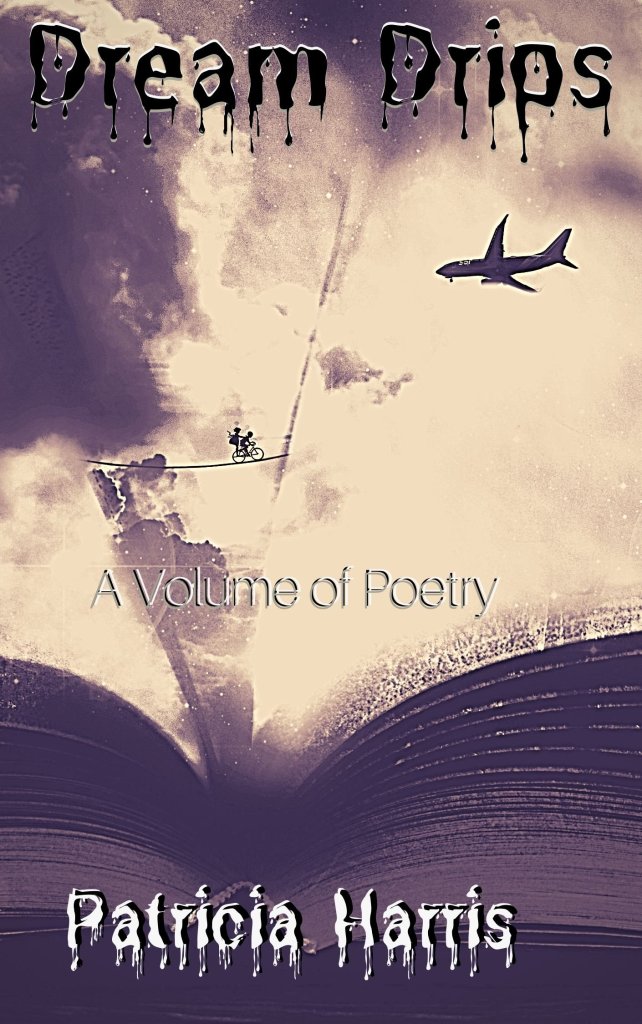
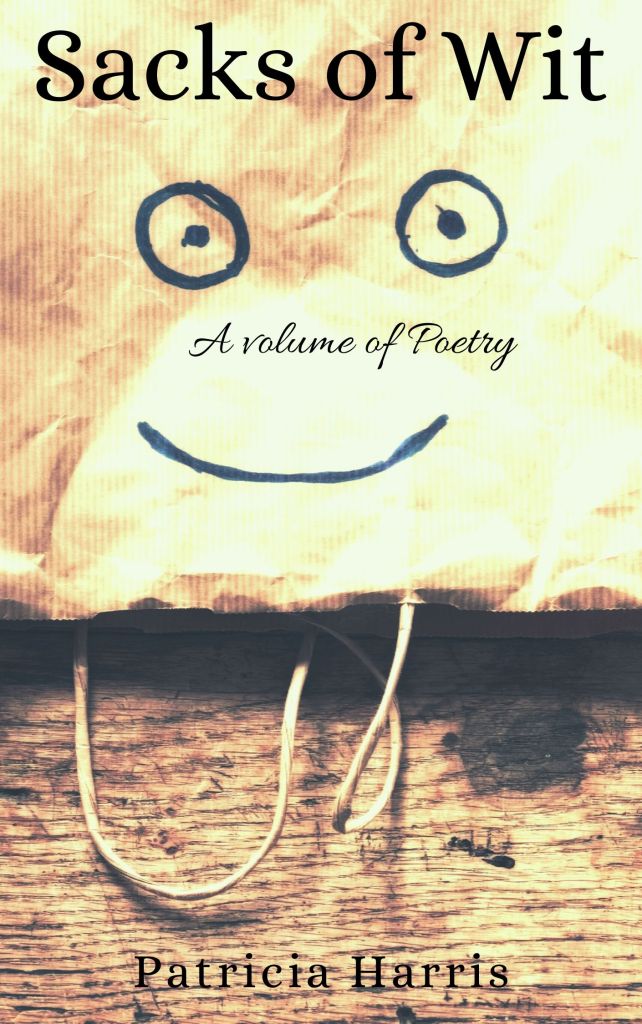
I have been updating keywords on my books… And it was brought to my attention that a few of my covers needed work. It feels like I do this yearly… But I have been updating covers again as well.
The original The updated coverOriginal coverUpdated cover
The person who made the suggestion is a poet of considerable talents. I had approached her for marketing advice, and what she said was basically that some of my covers lacked the personality of my poems… I immediately understood. There was some of the covers I liked better than others. I started with the covers that I liked least.
Please don’t get me wrong… That does not mean the covers are bad… Or even in need of replacement. It just means that I could see her point. I was not happy with those covers because they did not suit me. I had something similar happen with a logo I had been using… Someone stopped me and said that it did not suit me. When I asked why she simply replied that it was just not colorful enough… It seems that I have a lot of personality and it shows up in my work.
For me these books are my art. Yes I could pay for the “perfect ” cover… I would likely sell more… But it would not be mine… Does that make any sense? I don’t write for the money. I write because it is part of who I am, who I always have been.
So I was featured again in this months magazine from the coffee house writers poetry department. I am not the only thing that is worth reading. All of the magazine is amazing. I am so honored to be a part of this.