Personally, I write Free Verse. My reason is simple… I hate dealing with the rules. Other forms require the poet to be aware of syllables or the syntax of the poem. Some require certain rhyme schemes.
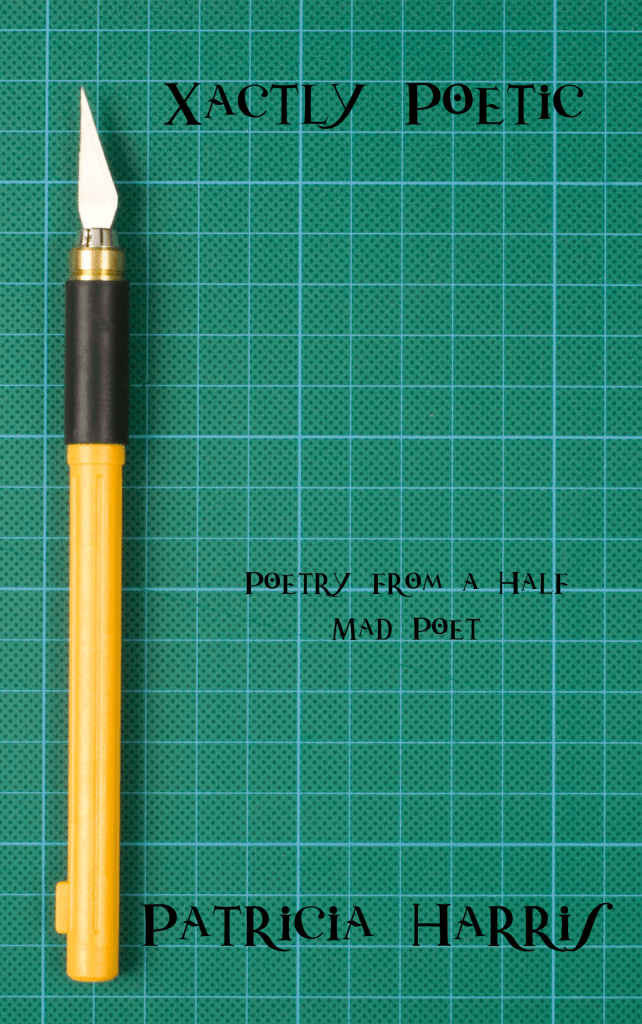
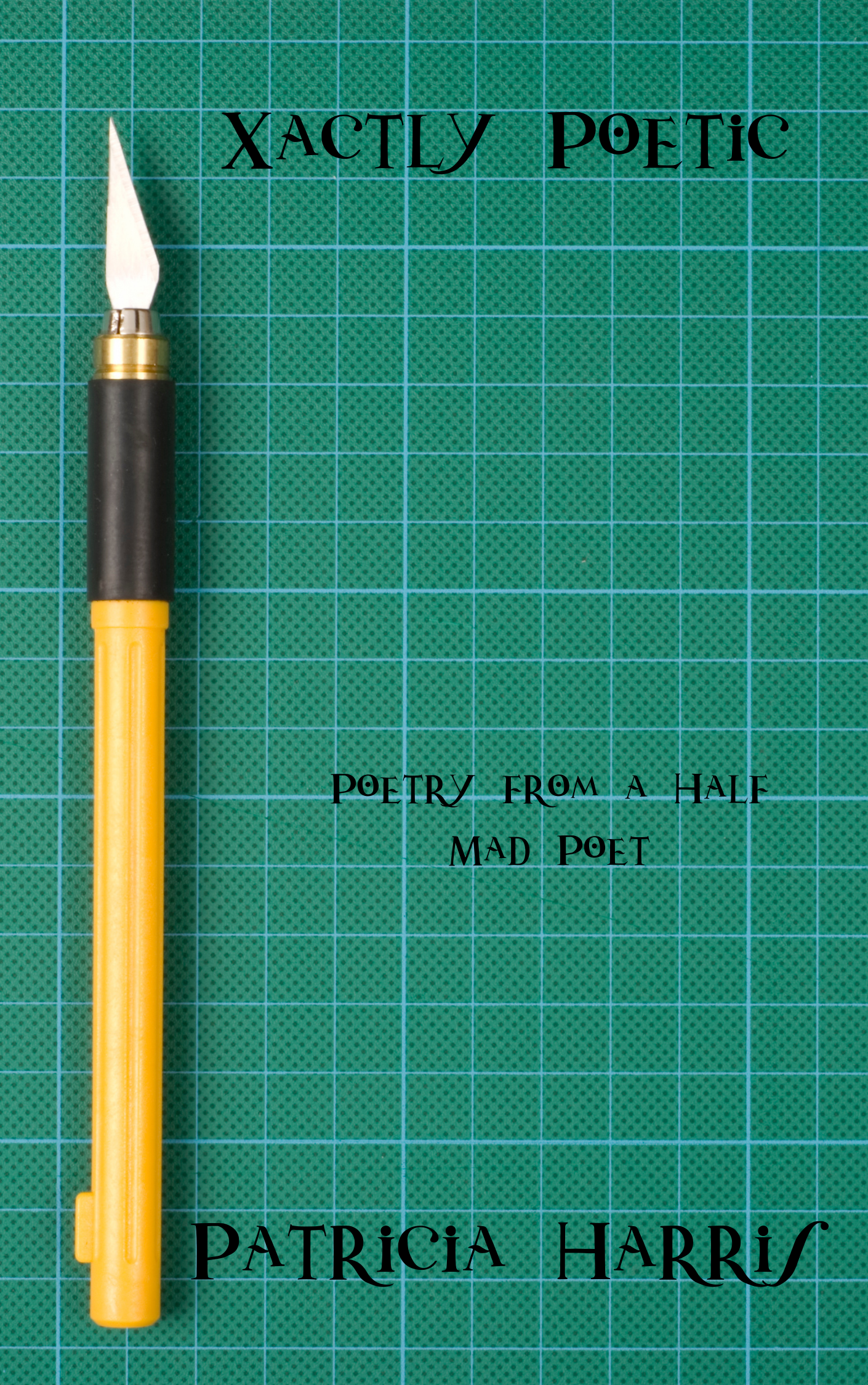
I’m working on a volume of poetry entirely done with forms other than free verse – Xactly Poetic.
I am so frustrated with it at the moment. I am at 60 poems. I started with the idea that I was going to do 50… realized that I was being lazy because I always do 70 poems in each volume and I got mad at me.
So I am going to do 70. But it is not as easy as it is for the regular volumes. And I am irritated with myself for wanting to quit.
I have set a self imposed deadline/release date of September 15… that is a I have to get it done and published by that date. Which means I have to get it written by August 15. And I have 10 poems left to write. Ugh. Not normally a problem… so I am hoping that I can get it done.
Both of these poems are from my Xactly Poetic volume. If you are curious about the forms poem one is a cascade poem and poem two is a found poem. To be specific the second poem is all song titles.
Both of these poems are from my Xactly Poetic volume. If you are curious about the forms poem one is a cascade poem and poem two is a found poem. To be specific the second poem is all song titles.
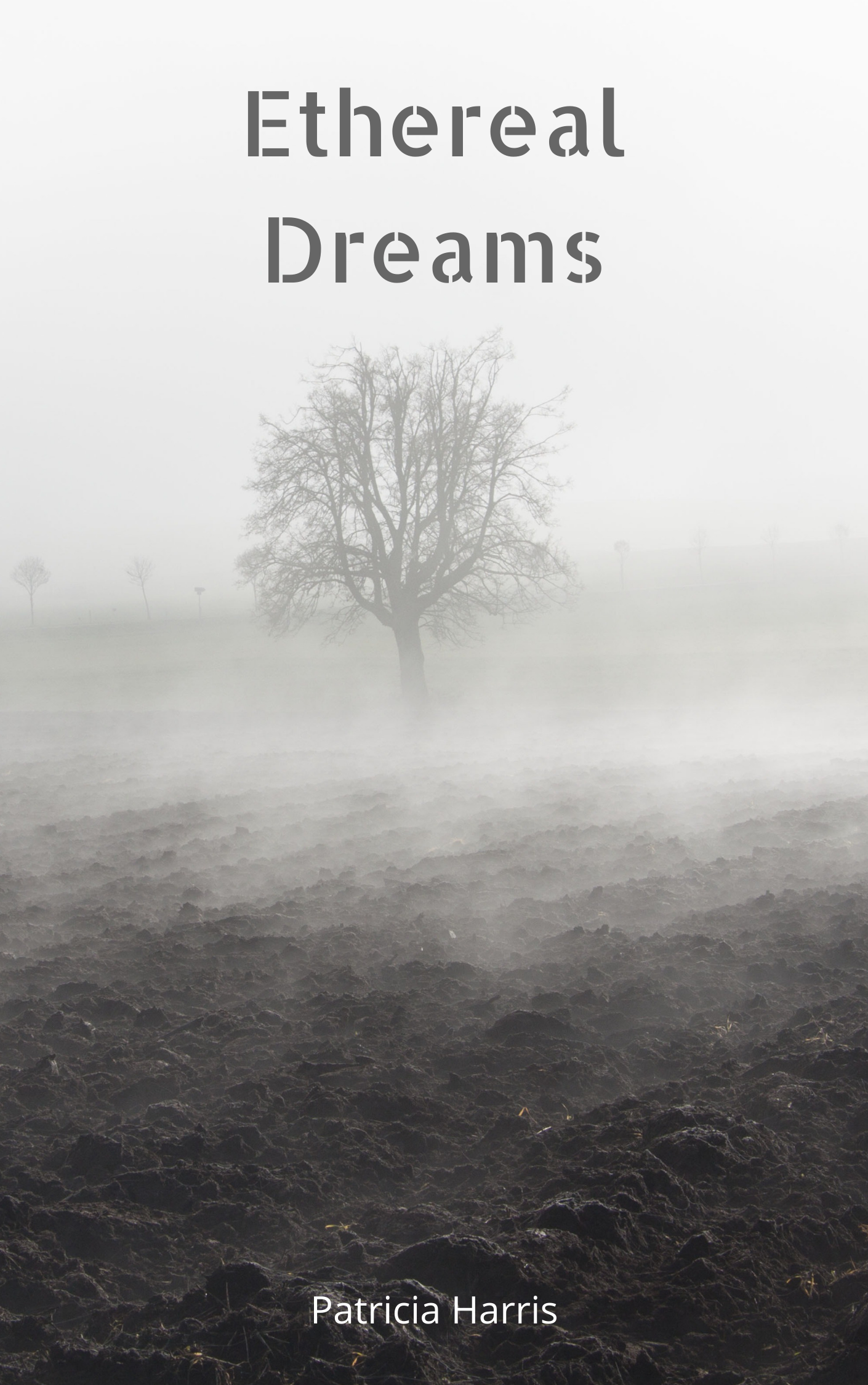
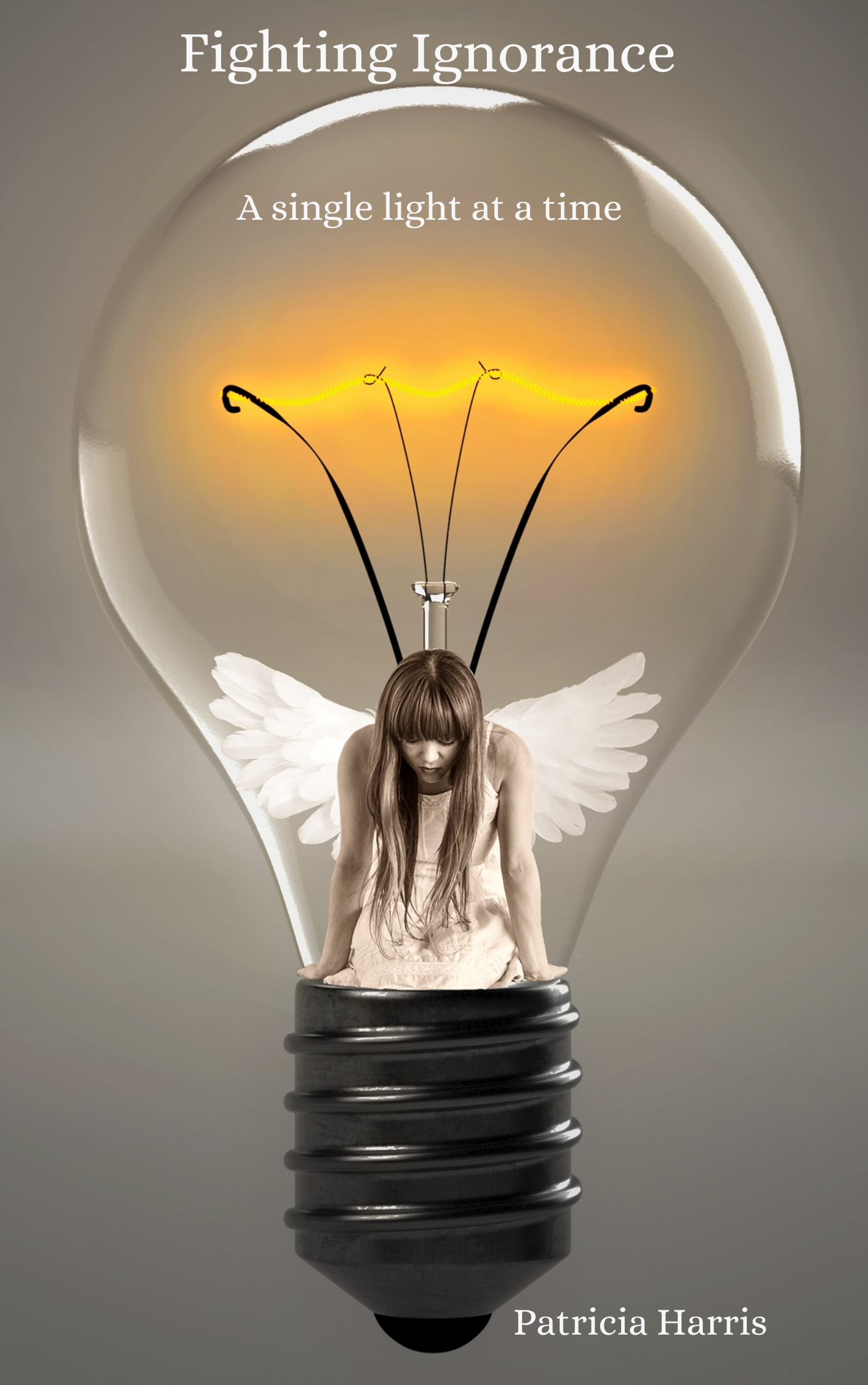
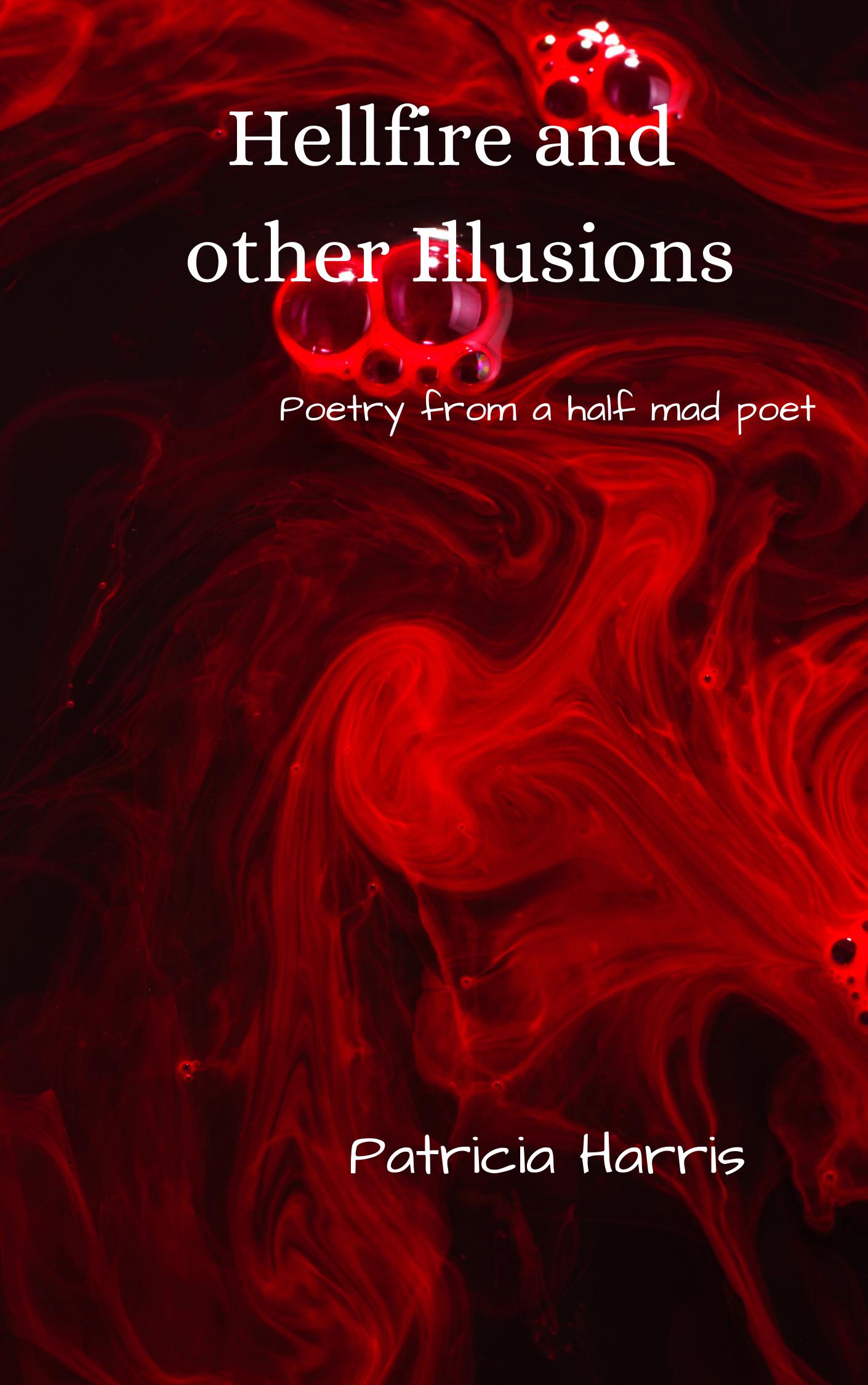
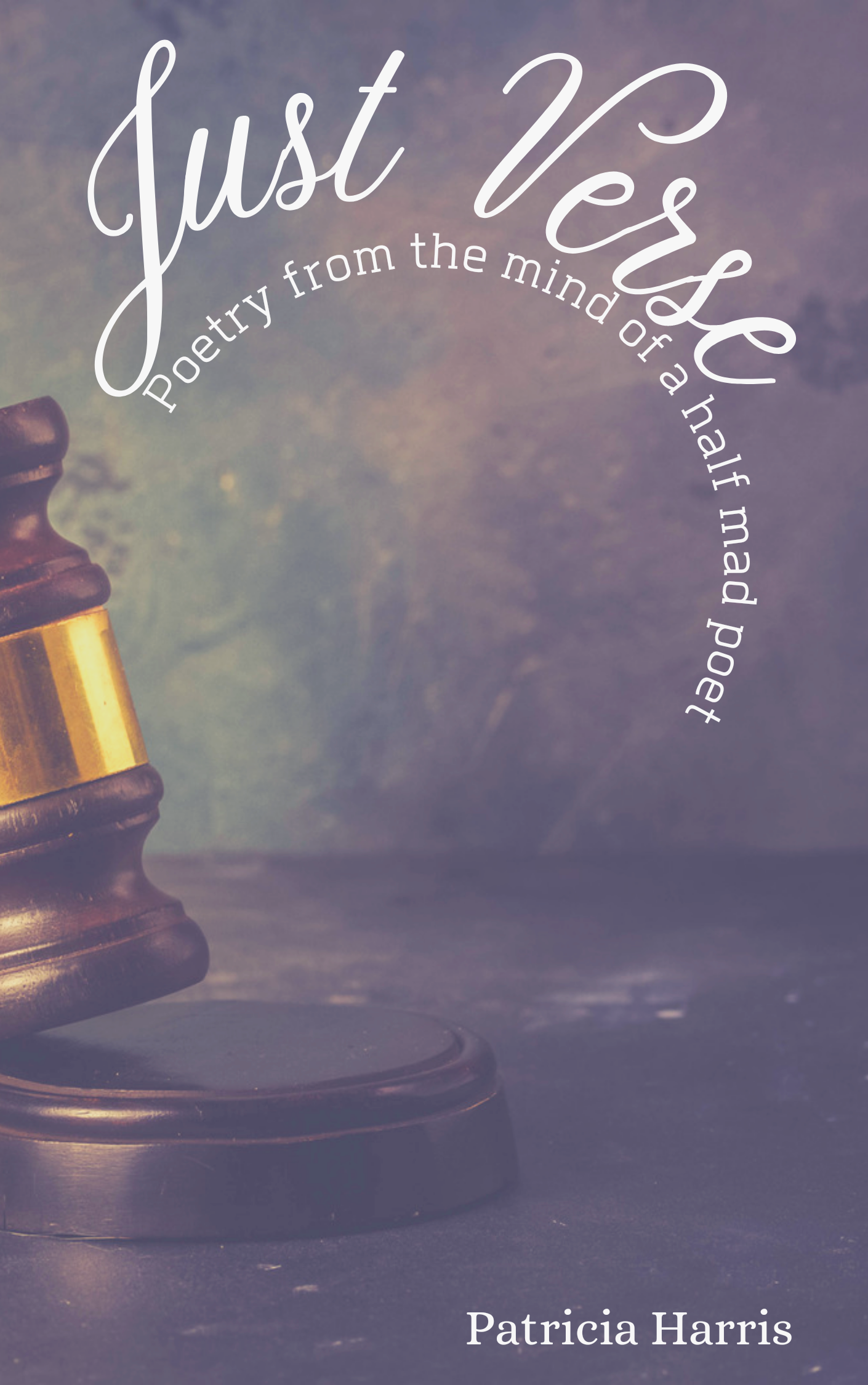
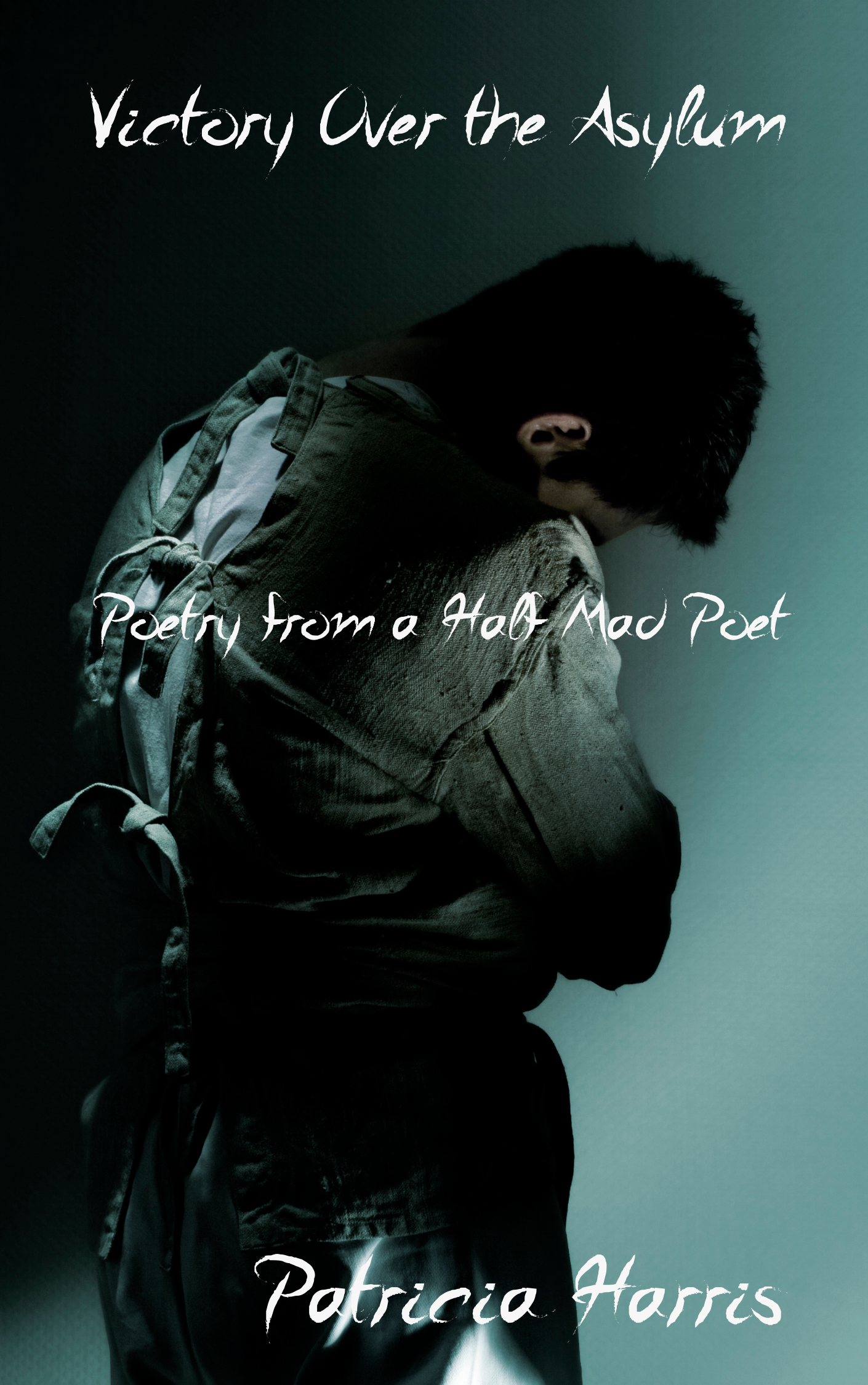
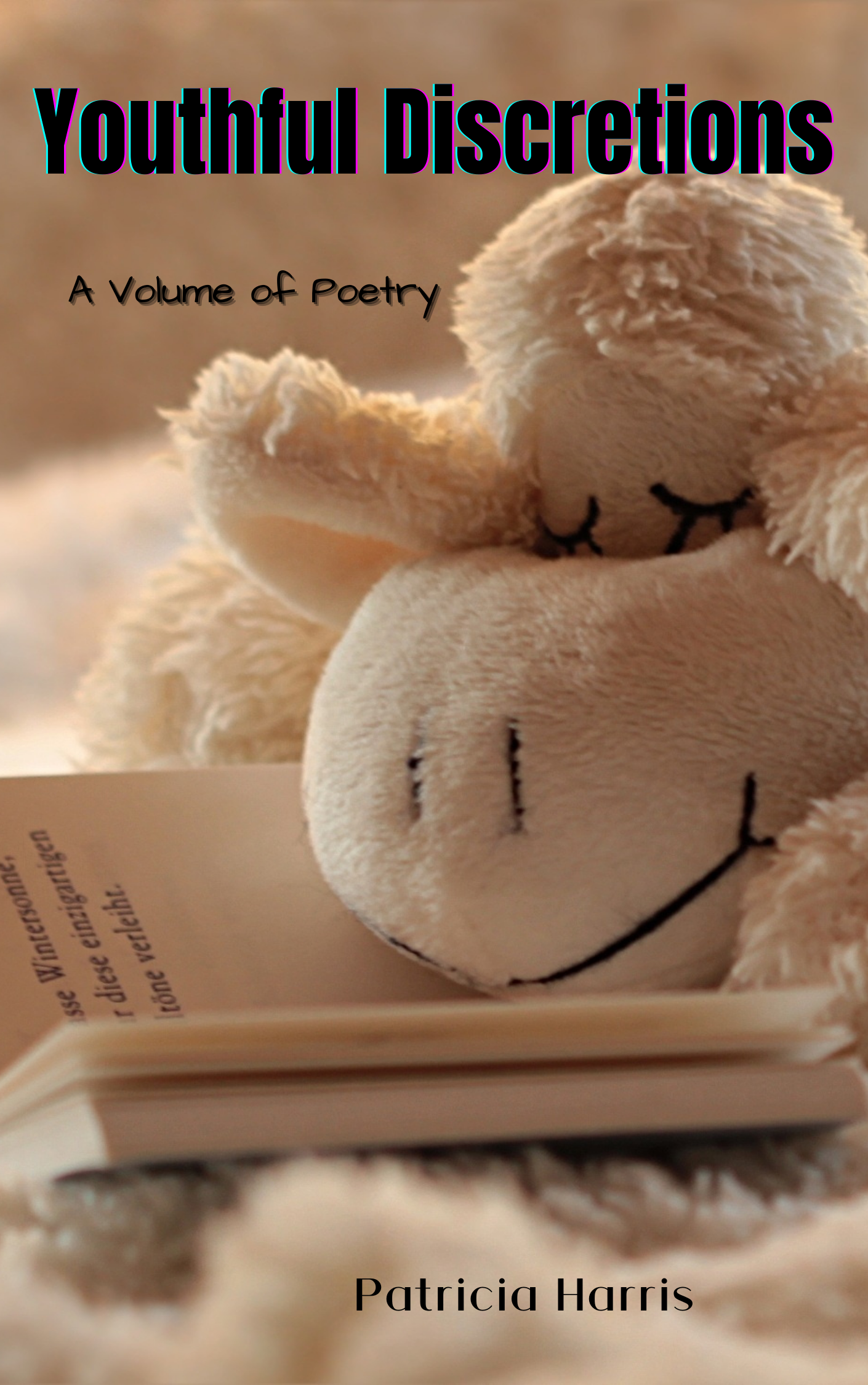
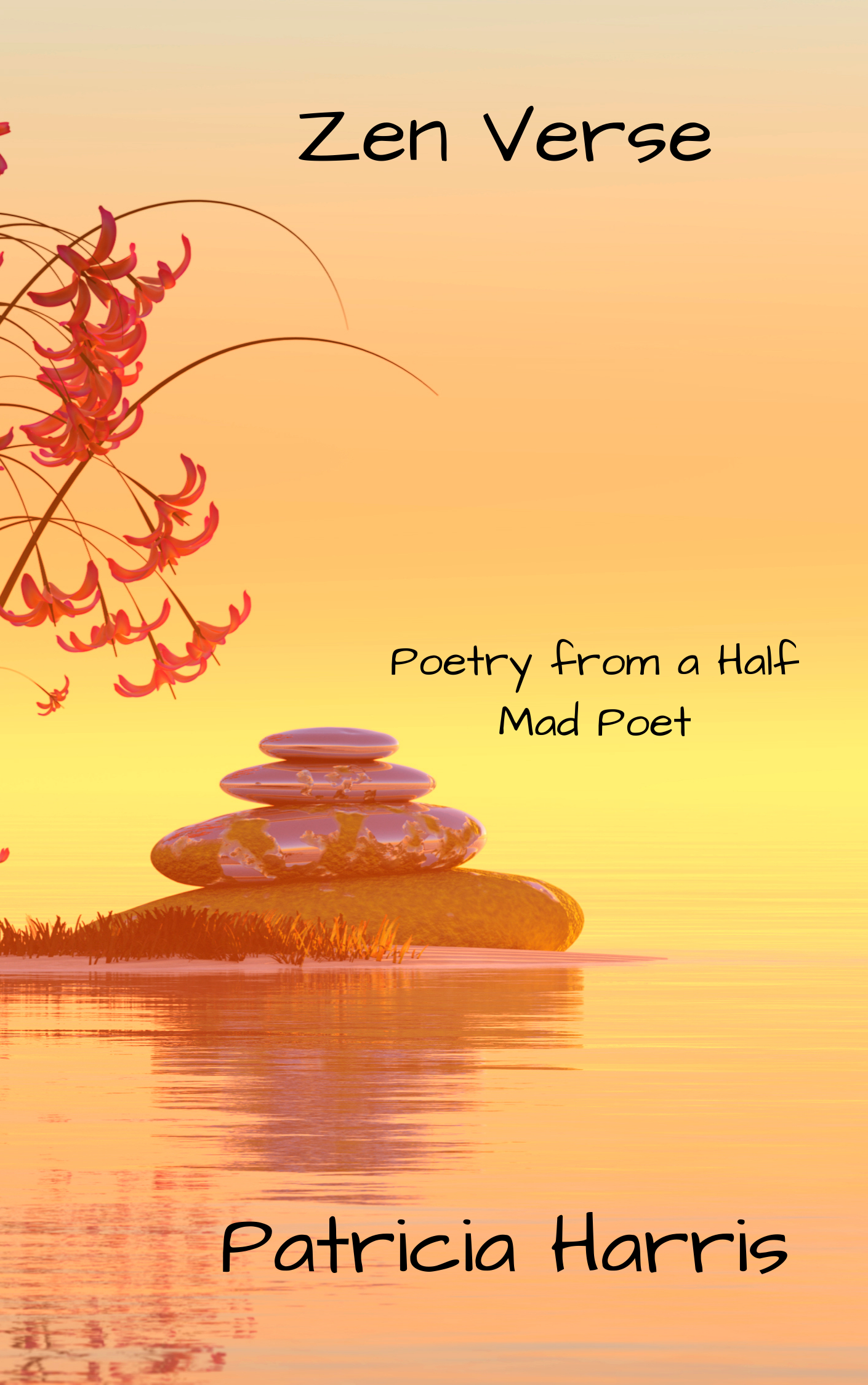
So I have a list of “Titles” for upcoming Poetry books. Some with a theme in mind…others not. I know I am supposed to do a cover reveal thingy for each book, but this feels more fun. These are not in progress yet. I did the cover design because it was fun. These are going to be the ones I choose from when my current volumes are written. The idea is that eventually, I will have a poetry book starting with each letter of the alphabet. Which do you like best…and Why?
This one has two possible…have yet to decide which I want. It will be general poetry.
This will be general poetry.
This will be general poetry…but I think I am likely to lean a little bit into the idea of addiction here…not sure.
This will be general poetry.
This will be general poetry.
This is one I am working on. It is going to be entirely Political poetry. I don’t know if I am going to stick to my standard rules as far as the number of poems inside or if I will adjust for the book. I do like how it is coming together so far.
Also In progress right now. It is general poetry.
This is probably going to be religious poetry. I have been considering this one hard.
General poetry. How could this title be anything else?
Again General.
This is another where I am not sure which I like better. This one will be written in letter format. A sort of Prose Poetry. I have the idea only so far.
This one is uncertain. I have already done one volume of Love poems. Still I love the imagery in the title and the cover I made is so nice…It will be there if I am ever ready to do a second one.
Another cover I am not sure which I like better…
General.
General. I actually made the cover for a different author. He didn’t like it, but I really loved it. so I had to find a use for it.
This is going to be all LGBTQIA+ Poetry. I am Pansexual and have thoughts on the Queer that I have yet to put to words… This is going to be me doing exactly that.
General.
This has another cover – But I really like this one better. This one suits me better. It will be general poetry.
General
General.
This is going to be me exploring various poetic forms. I am usually a free verse writer. I think that it would be interesting to do a book with at least one of each of the forms. This is going to be difficult to write, but I am looking forward to the results.
General.
Gemeral.
I use Evernote to write. It keeps me organized…I have a notebook on Evernote for each of my poetry volumes. I have these all organized under a stack labeled Future Poetry Volumes. I include the cover in each notebook so I don’t lose it. That being said…I have a file on my computer for Publishing. Inside the Publishing File is a file for Book Covers. I organize that file too…so the file where my book covers live on my computer has folders for each volume. I have folders in there with titles and no cover. Those have yet to get to the stage where I am ready to make covers for them, I may do this post again in a couple of years with those titles. I don’t know. They would have to make it into my Evernote for me to write in them. At this point, they are interesting titles and nothing more. The ones on this list are in the running to be my next volume…Heck, my next volume was on this list.
So, which title and cover did you like best? Why? Is there a theme you think I should consider? I end up doing two or three volumes a year most of the time. So I feel like I will be able to do this list without overreaching myself.
Oh! also the three I posted two covers for….Which cover would you choose for each one? I really am having a hard time choosing.
A sestina is a fixed verse form consisting of six stanzas of six lines each, normally followed by a three-line envoi.(Envoi or envoy in poetry is used to describe: a short stanza at the end of a poem such as ballad, used either to address an imagined or actual person or to comment on the preceding body of the poem. a dedicatory poem about sending the book out to readers, a postscript.) So you do 6 stanzas each 6 lines…then a short 3 line stanza at the end.
The words that end each line of the first stanza are used as line endings in each of the following stanzas, rotated in a set pattern. The video above shows the basics. (Found on one of the you tubers I follow about writing.)
The picture below gives a quick look at the ending rotations.
I am hoping that this is going to help you to write poetry yourself.
Hi! I am a poet. Every poet has a preferred form. I think that I want to add a discussion of forms to Monday poetry for a few weeks. There are more forms then I personally use.
I love to do free verse. Not as many rules to limit the creativity. Free verse doesn’t have rhyme rules. There is no structure rules. It is the most open form to be able to express my thoughts.
Yesterday I was wanting to do a post about Japanese poetry forms. Japan is a place with a very rich culture and their literature shows it. Their mythology and history is such a diverse and interesting set of topics that the average person might be confused by it.
So I was wanting to be sure that I had the spelling and such right. When I don’t know the proper way to spell… I Google. Google led me to an article that I was blown away by. The writer is far more eloquent on the topic than I feel capable of. So, I admit I felt discouraged.
One of the problems that many authors face is the issue of comparison… Not by others but the comparison we do ourselves. It is so hard to see our own writing and feel accomplished. It is so hard not to hate on our own way of speaking. Dude, words are hard. Especially when you read someone else has written it in a way that just makes sense.
So, I have shared the link above to the article on Japanese poetry. I ask you… What forms do you like and where does it orignate from? Do you find articles that hit home and feel seen or discouraged? And why?
A lyric poem or lyrical poem in literature is a poem in which the poet either expresses his feelings and emotions. The poet also presents a character in the first person to express his emotions. It is a combination of lyric and poetry where a piece of poetry is written as a lyric. Lyric has been derived from lyre, a musical stringed instrument used during the Grecian period to accompany the poetry sung during different festivities.
Aristotle used the world lyric or lyrical with reference poetry to categorize it into three distinct types. A lyric poem is often short and non-narrative but keeps some elements of melody. Although odes and elegies are other categories, they, too, are placed under the lyric poetry. Lyric poems can follow any metrical pattern, be it iambic, trochaic, or pyrrhic.
(Iambic) An iamb is a literary device that can be defined as a foot containing unaccented and short syllables, followed by a long and accented syllable in a single line of a poem (unstressed/stressed syllables). Two of Robert Frost’s poems, Dust of Snow, and The Road not Taken are considered two of the most popular examples of iamb.
Trochaic Trochaic an adjective of trochee is a metrical foot composed of two syllables; stressed followed by an unstressed syllable. This rhythmic unit is used to make up the lines of poetry. However, it is deliberately inserted to make the text sound different. The material pattern of trochee is composed of “falling rhythm” as the stress is at the beginning of the foot. It, however, plays a great role when writing about dark subjects like madness and death. Etymologically, trochee is derived from a Greek word, “trokhaios” which means ‘to run.’
Types of Trochaic Meter Trochaic Tetrameter: It is a type of meter consisting of four stressed syllables per line. For example, “By the shores of Gitche Gu”. Trochaic Heptamer: It is a type of meter consisting of seven stressed syllables per line. Such as, “Now Sam McGee was from Tennessee, where the cotton blooms and”. Trochaic Pentameter: It is a type of meter consisting of five stressed syllables per line. “And the lamp-light o’er him streaming throws his shadow on the floor”. Iambic Trimeter: It is a type of meter consisting of three stressed syllables per line. For example, “This has neither wax nor”. Catalexis: The absence of a syllable in the final foot in a line is called catalexis.
Pyrrhic meter A metrical unit consisting of two unstressed syllables, in accentual-syllabic verse, or two short syllables, in quantitative meter. Though regularly found in classical Greek poetry, pyrrhic meter is not generally used in modern systems of prosody: unaccented syllables are instead grouped with surrounding feet. Andrew Marvell’s “The Garden” contains examples of pyrrhic meter, here in bold: “To a green thought in a green shade.”
So we have the technical information on Lyric poetry. I gathered the above from other websites (all listed below). Lyric poetry is often the basis for songs. Not always, but often. I normally don’t use the writing from other sites, even though I am citing the sources… But I wanted to give you information on a form that I don’t use. I have no skill with lyric poetry.















 Pattimouse